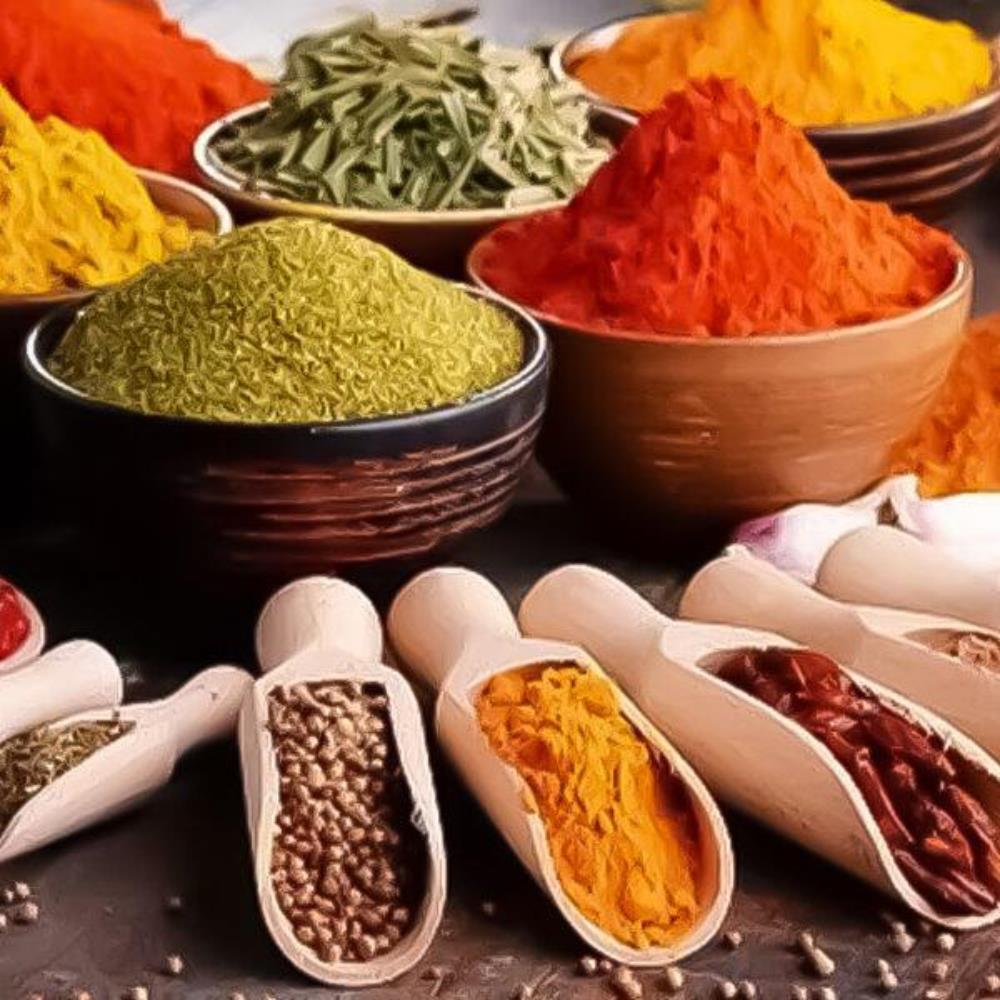
Spices of Sri Lanka

Spices of Sri Lanka

From Our Soil to Your Senses

About Spices in Sri Lanka

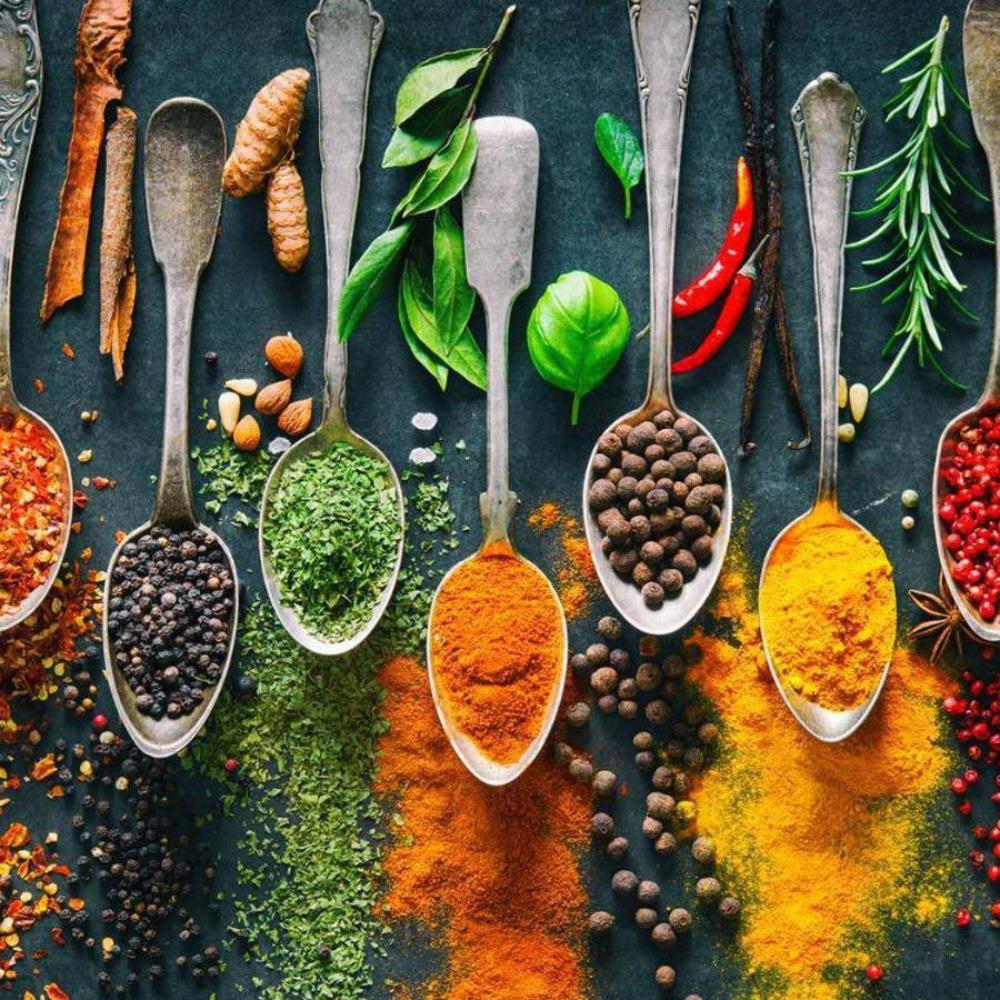
Sri Lanka is world-renowned as the Island of Spices, famous for producing some of the finest and most aromatic spices for centuries. Ancient traders from Arabia, Europe, and Asia were drawn to Sri Lanka for its cinnamon, pepper, cloves, cardamom, and nutmeg—spices that shaped global trade routes and history.

Today, Sri Lankan spices are celebrated for their rich flavor, purity, and natural cultivation methods. Grown in tropical lowlands and misty hill regions, spice gardens reflect a deep connection between nature, tradition, and Ayurvedic wisdom. Visiting spice plantations offers travelers a sensory journey through fragrance, flavor, and centuries-old heritage.
img2

Rich Ecosystems

Lorem ipsum dolor sit amet, consectetur adipiscing elit. Ut elit tellus, luctus nec ullamcorper mattis, pulvinar dapibus leo.

img2

Rich Ecosystems

Lorem ipsum dolor sit amet, consectetur adipiscing elit. Ut elit tellus, luctus nec ullamcorper mattis, pulvinar dapibus leo.

img2

Rich Ecosystems

Lorem ipsum dolor sit amet, consectetur adipiscing elit. Ut elit tellus, luctus nec ullamcorper mattis, pulvinar dapibus leo.

img2

Rich Ecosystems

Lorem ipsum dolor sit amet, consectetur adipiscing elit. Ut elit tellus, luctus nec ullamcorper mattis, pulvinar dapibus leo.

Popular Spice Growing Regions in Sri Lanka

Matale

Matale

Sri Lanka’s most famous spice region, known for cinnamon, pepper, cloves, and nutmeg, with well-established spice gardens.
Kandy

Kandy

Hill-country spice cultivation blended with cultural heritage and traditional Ayurvedic practices.
Galle & Southern Province

Galle & Southern Province

The Low Country climate is ideal for cinnamon, nutmeg, and cloves.
Ratnapura

Ratnapura

Rain-rich region producing high-quality pepper and cardamom.

Visitor Information

A Journey Through the Aromas of Ceylon

Spice gardens in Sri Lanka are open to visitors year-round and are commonly found near major tourist routes. Guided tours explain how spices are grown, harvested, and used in cooking, medicine, and wellness. Most visits include live demonstrations and tastings, making spice gardens both educational and interactive.

Morning visits are recommended for cooler weather and better guided experiences.

Entry Fees

• Many spice gardens offer free entry

• Guided tours may cost USD 3 – USD 10

• Purchases of spices and herbal products are optional

• Prices vary depending on location and services

Safety Guidelines & What to Wear

• Wear comfortable footwear for garden walks

• Light clothing recommended for tropical weather

• Inform guides of allergies before tastings

• Follow instructions during plant demonstrations

• Photography is usually allowed
 

Spice Experiences in Sri Lanka

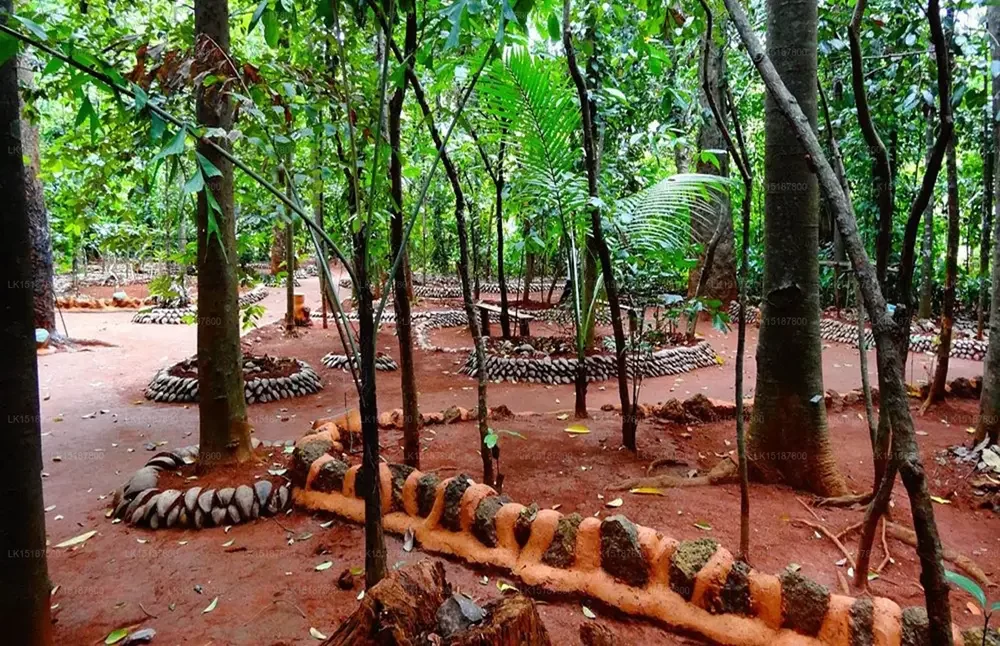
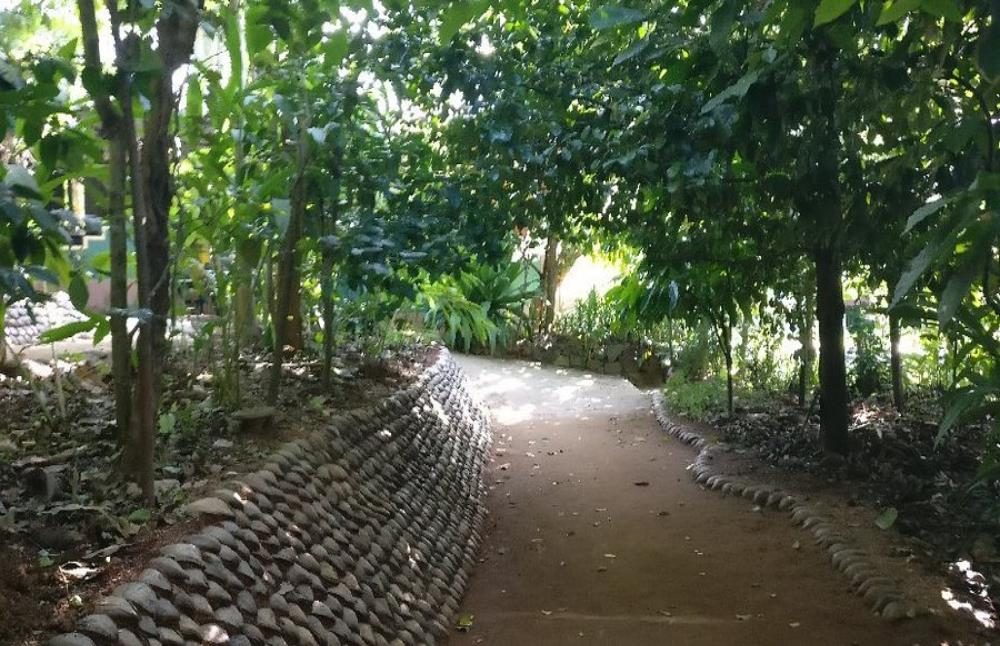
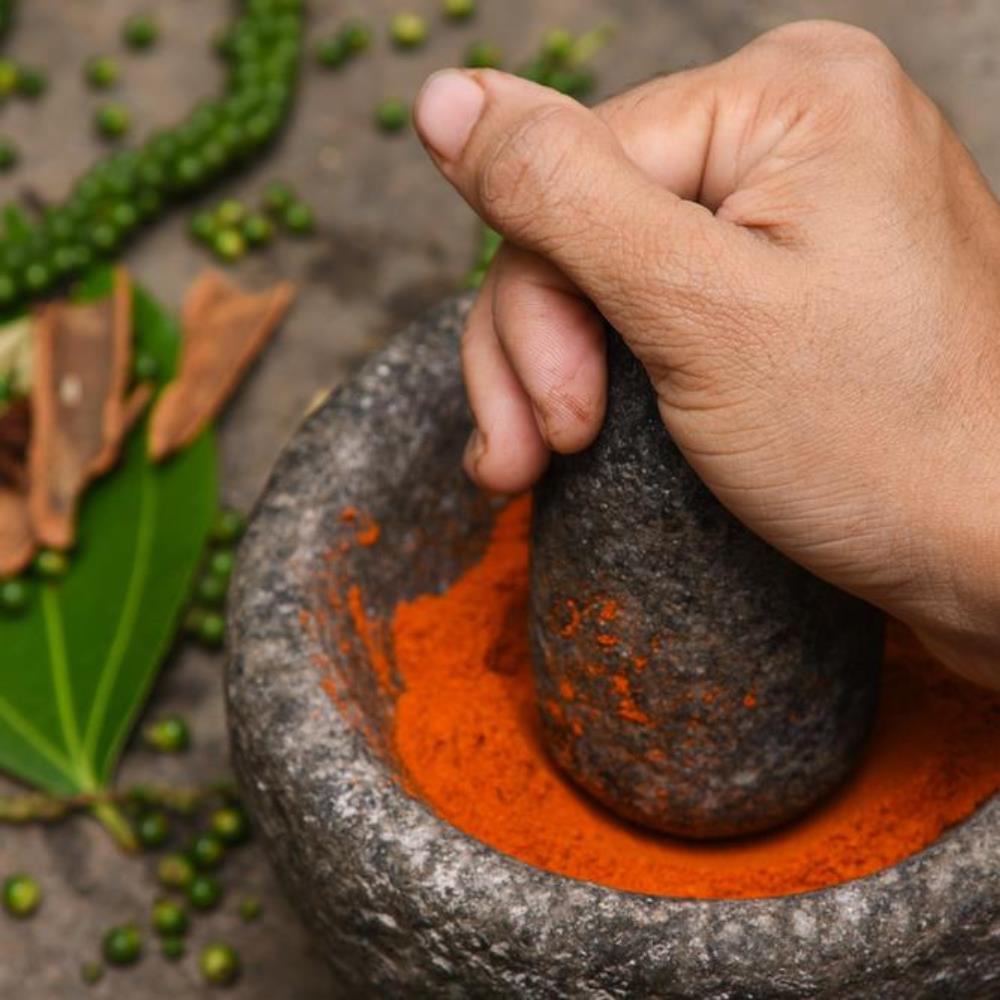
Explore lush spice gardens filled with cinnamon trees, pepper vines, cardamom plants, and nutmeg trees. Guided walks introduce visitors to fresh spices, harvesting techniques, and traditional processing methods. Many tours end with cooking demonstrations or Ayurvedic explanations, offering a deeper understanding of Sri Lanka’s spice heritage.

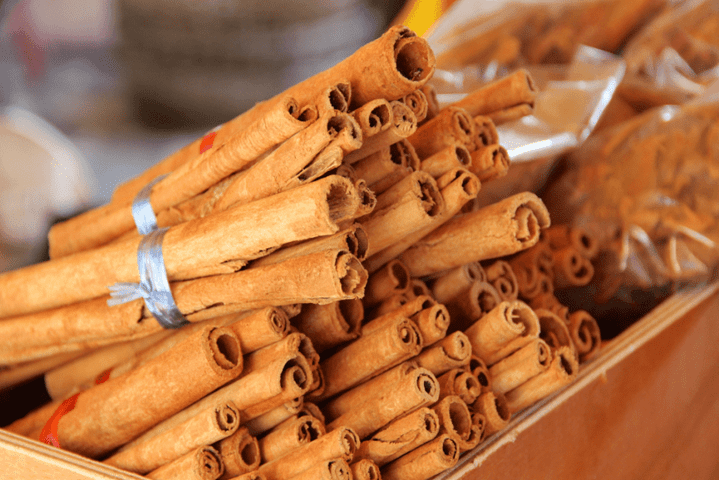
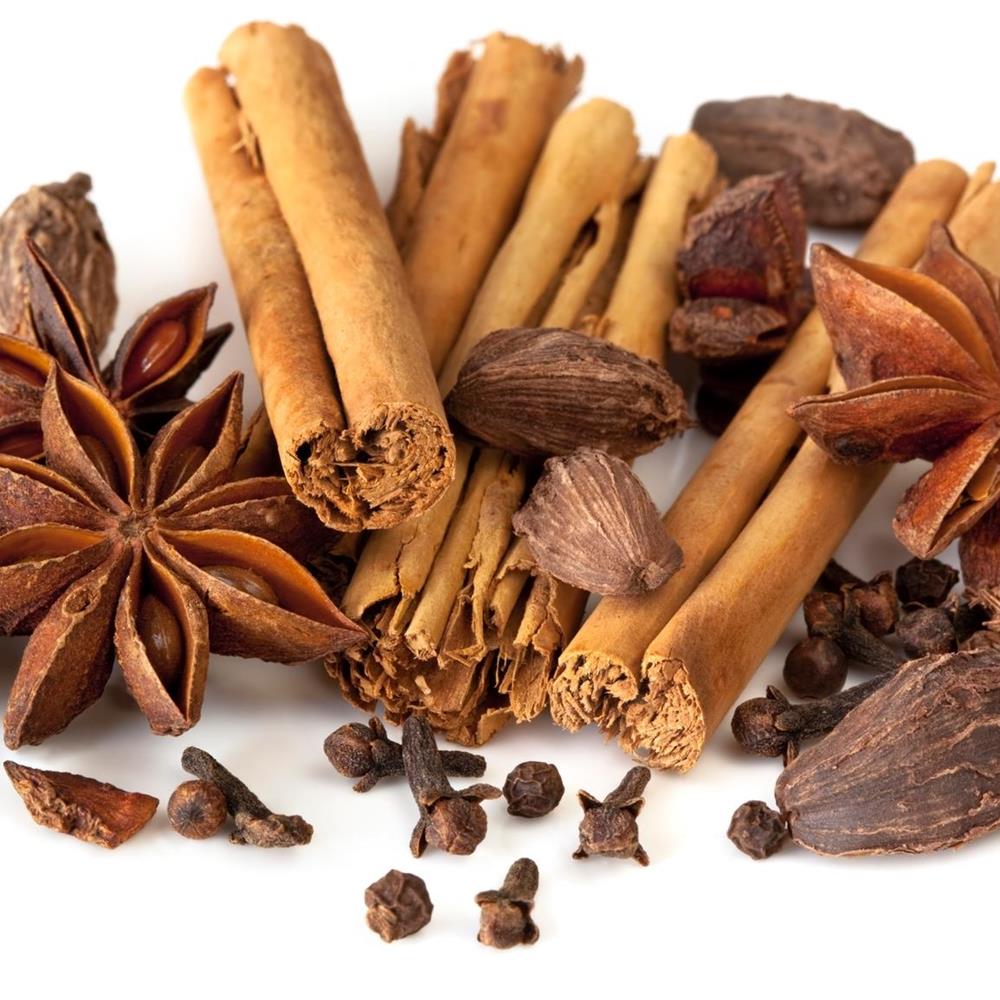
Ceylon Cinnamon
Ceylon Cinnamon – World’s finest true cinnamon
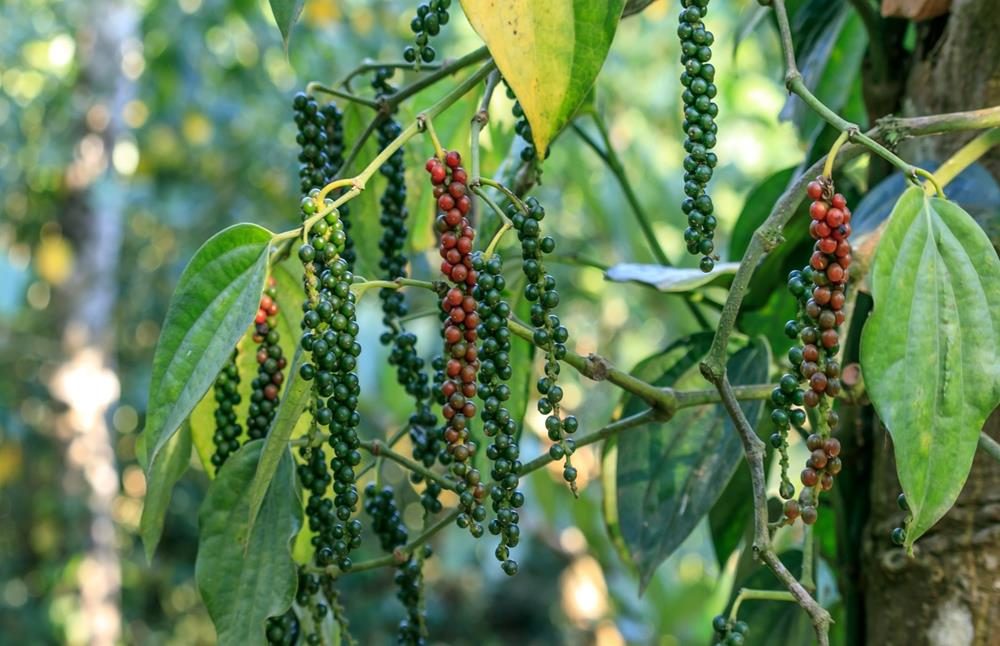
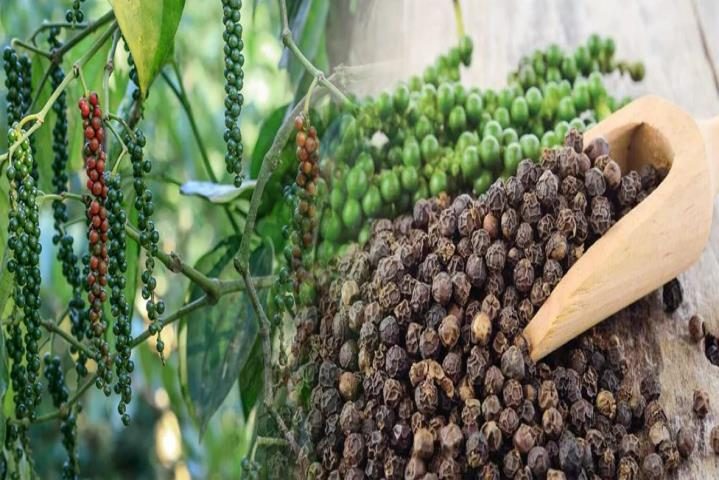
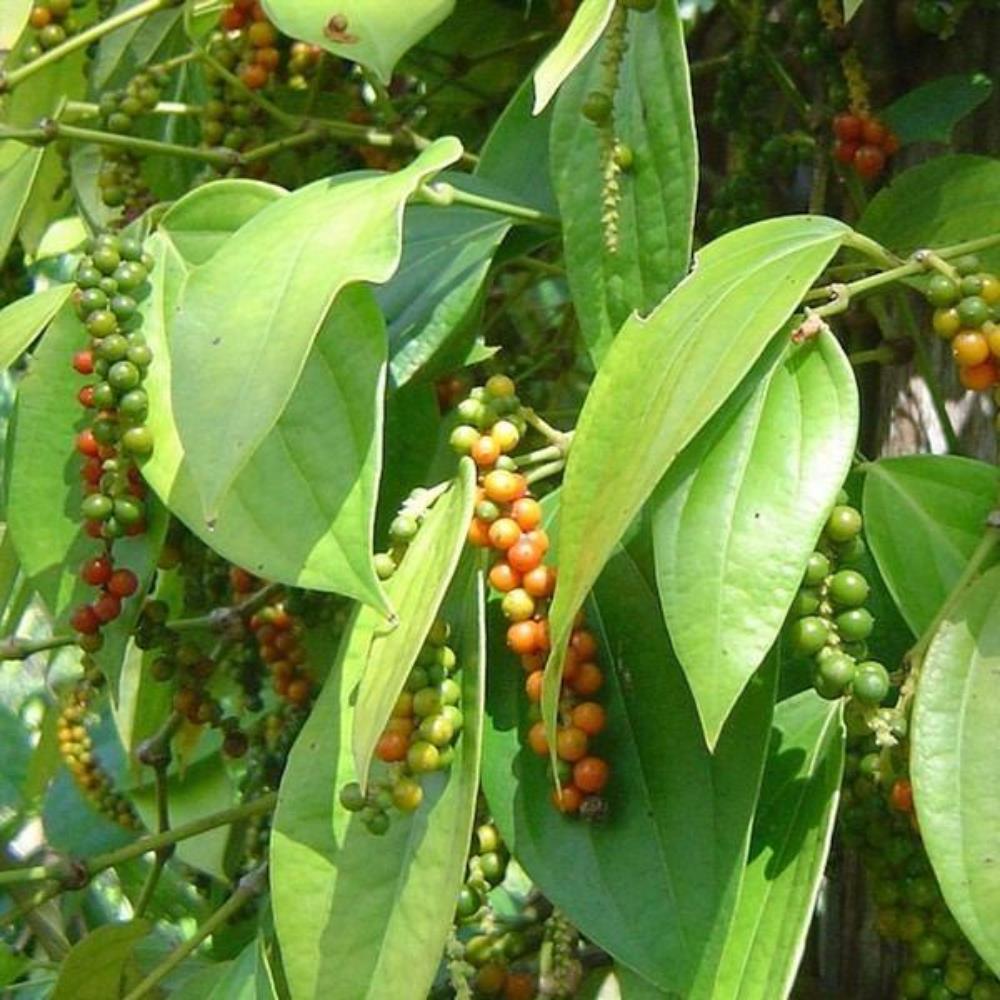
Black Pepper
Black Pepper – Bold, aromatic, and export-quality
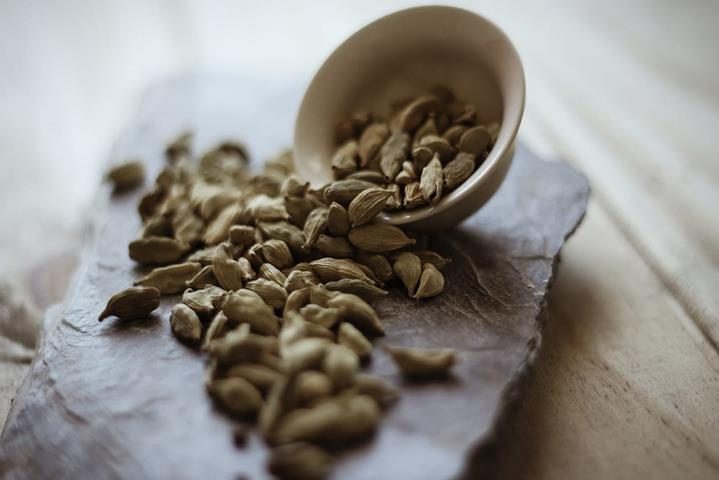
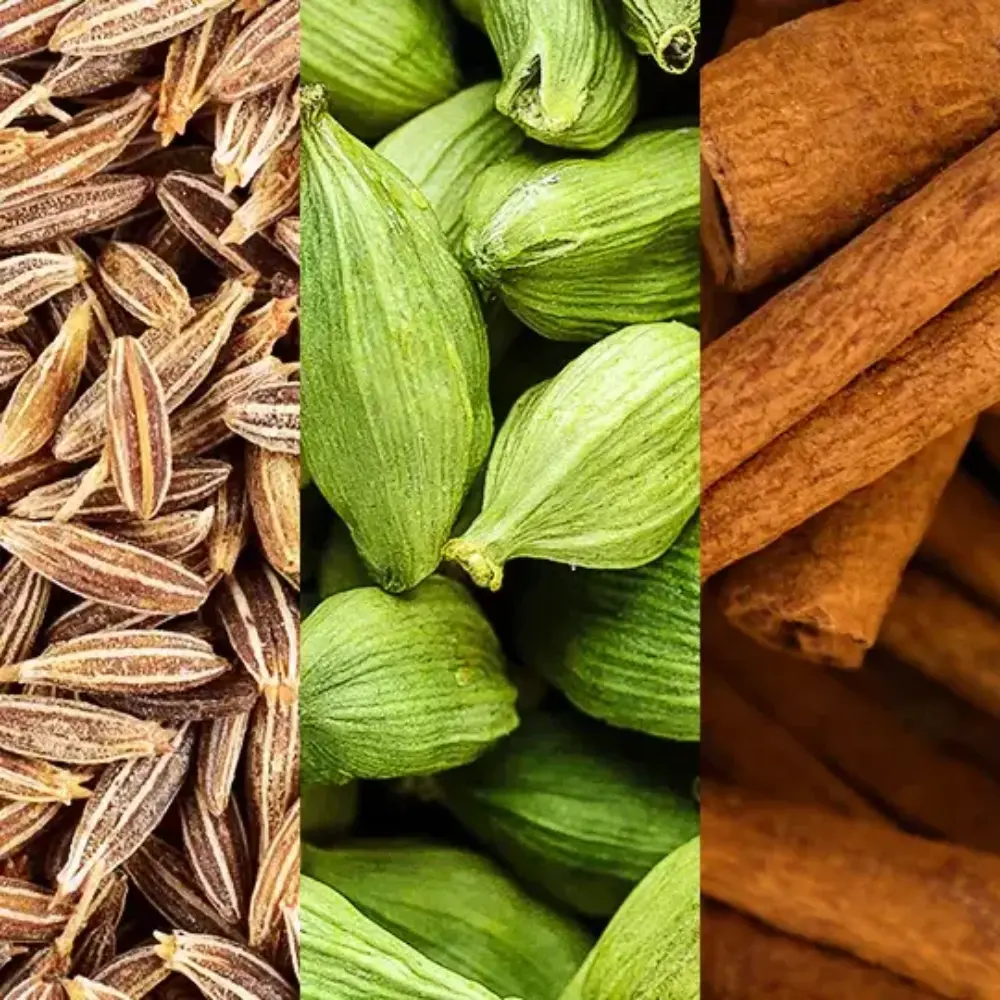
Cardamom
Cardamom – Grown in misty highlands, with a rich aroma
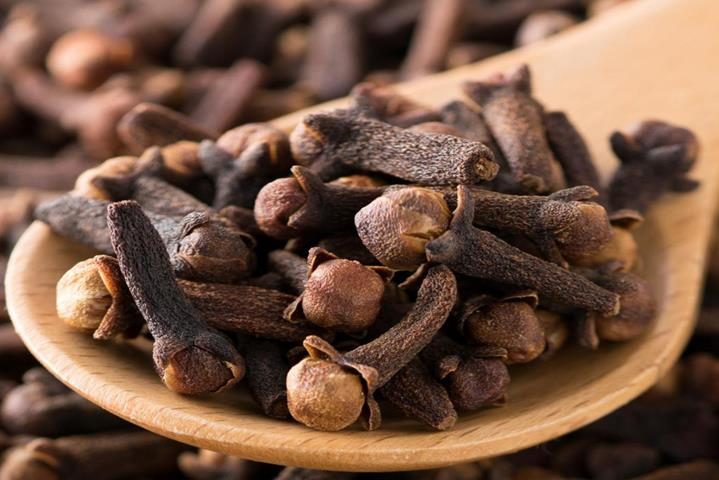
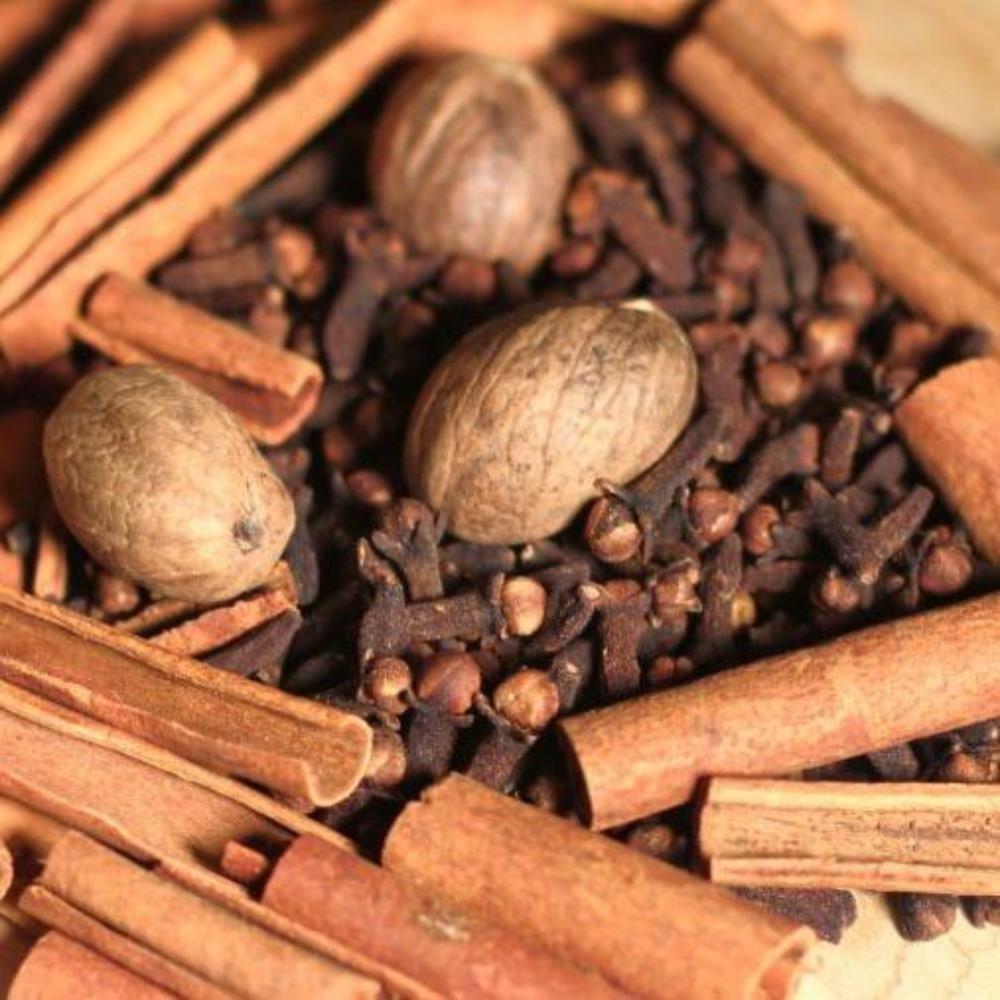
Cloves
Cloves – Strong, warm flavor used in cuisine & medicine
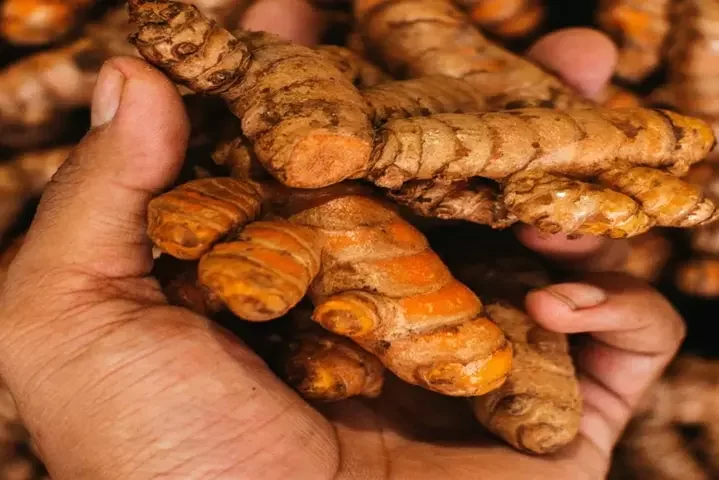
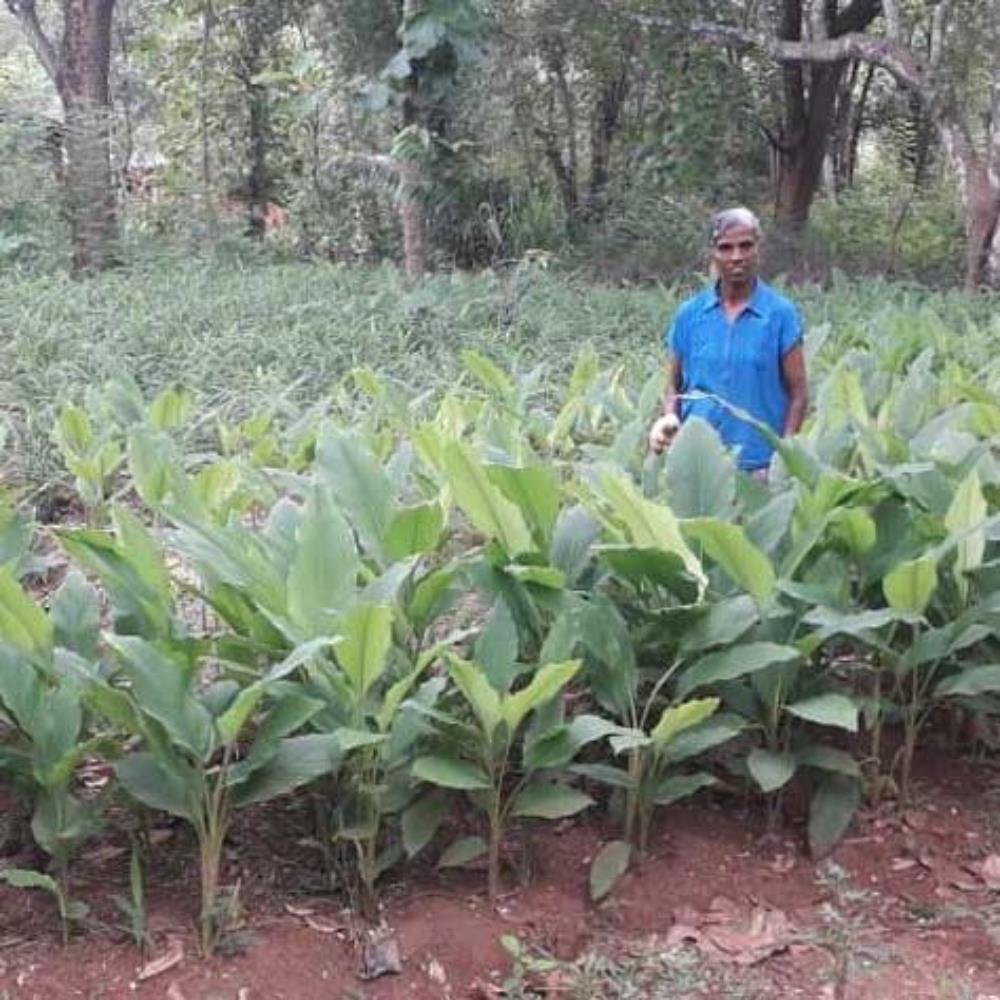
Turmeric
Turmeric – Valued for color, flavor, and Ayurveda

Contact us

Contact us to learn more about spice garden visits, culinary experiences, Ayurvedic tours, and authentic Sri Lankan spice products.

Spices of Sri Lanka

Spices in Sri Lanka offer a sensory journey through the island’s rich agricultural heritage, showcasing a world-renowned bounty from a unique tropical perspective. Cultivated across misty hillsides, fertile valleys, and lush home gardens, these legendary crops combine centuries of tradition with unmatched natural flavor. From the delicate aroma of Ceylon Cinnamon to the bold heat of black pepper, Sri Lankan spices represent a vibrant blend of history, wellness, and culinary excellence.

Resources